
Words of blessing carry real weight in every culture and language. In Arabic, wishing someone Allah’s blessings is one of the most heartfelt things you can say. These words come from deep faith and genuine love for others.
The phrase “May Allah bless you” in Arabic is more than just a polite expression. It is a sincere prayer asking God to pour His goodness into someone’s life. Understanding its true meaning makes these words even more powerful and beautiful.
Understanding the Meaning Behind “May Allah Bless You in Arabic”
- The phrase carries deep cultural, spiritual, and emotional meaning — it reflects gratitude, kindness, and faith all at once
- The most common Arabic expression is “Barakallahu Feek” — meaning “May Allah bless you with goodness and success”
- Saying these words is not just good manners — it is a form of worship and love in Islam
- It connects hearts and reminds both the speaker and listener that kindness is a form of worship
- The phrase is used in everyday life — at home, in the mosque, at work, and during celebrations
May Allah Bless You in Arabic for Female
- For a female, the correct phrase is بَارَكَ اللّٰهُ فِيكِ pronounced “BarakAllahu Feeki”
- The small change in ending — from “Feek” to “Feeki” — makes the phrase grammatically correct for a woman
- Arabic is a gender-sensitive language so using the right form shows respect and care
- You can also say “Allah Yubarik Feeki” — which carries the same warm meaning for a female
- Whether speaking to a friend, sister, or mother — this phrase is always appropriate and beautiful
The Power of Blessings in Arabic and Islamic Culture
- Arabic blessings used daily in homes, mosques, and workplaces build bridges of kindness and create a circle of gratitude and peace
- Blessings are not just words — they are small acts of faith that carry real spiritual weight
- Several Quranic verses highlight the value of seeking blessings for others — praying for others is highly encouraged in Islam
- Over time these small acts of faith build trust and unity in the community — people feel supported and valued
- The habit of blessing others has been passed down for generations in Muslim families and communities
What Does “May Allah Bless You” Mean in Islam
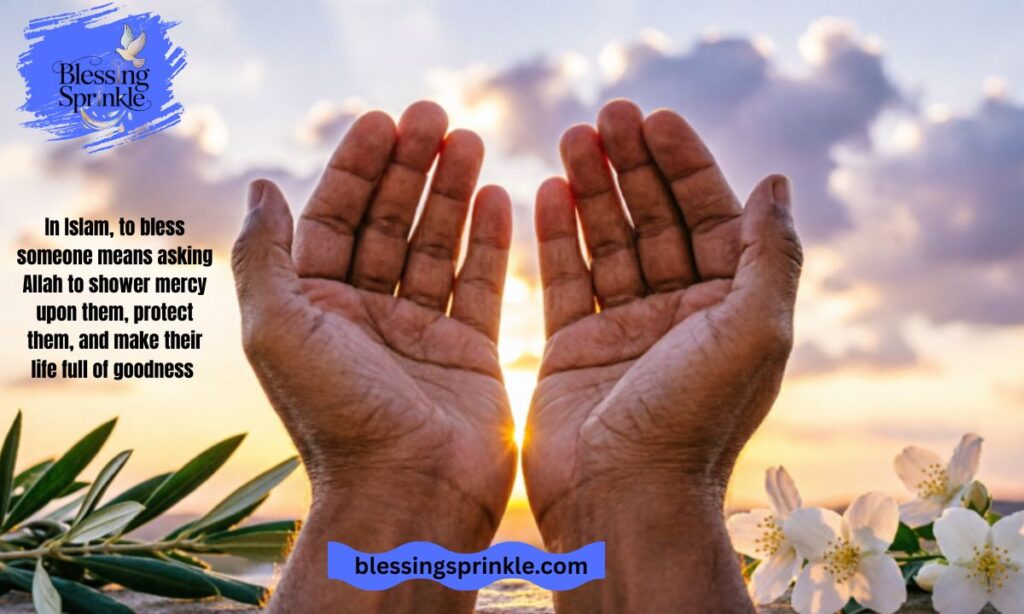
- In Islam, to bless someone means asking Allah to shower mercy upon them, protect them, and make their life full of goodness
- It is both a sincere prayer and a form of appreciation expressed to another person
- When a Muslim says “May Allah bless you” it can follow a favor, a good act, or even a compliment received the True Blessings
- It tells the other person — I am not just thankful to you, I am asking Allah to reward you
- According to Hadith, praying for others without them knowing brings blessings to both the one praying and the one being prayed for
May Allah Bless You in Arabic Male
- For a male, the phrase is بَارَكَ اللّٰهُ فِيكَ pronounced “BarakAllahu Feek” — the most widely used form Mishkah Academy
- Another correct version for a male is “Allah Yubarik Feek” — both mean the same thing
- For a group of males the phrase becomes بارك الله فيكم — pronounced “BarakAllahu Fikum”
- Using the correct male form shows you understand and respect the Arabic language
- This phrase is perfect to say after someone helps you, does something kind, or shares good news
Common Arabic Phrases for “God Bless You” and Their Meanings
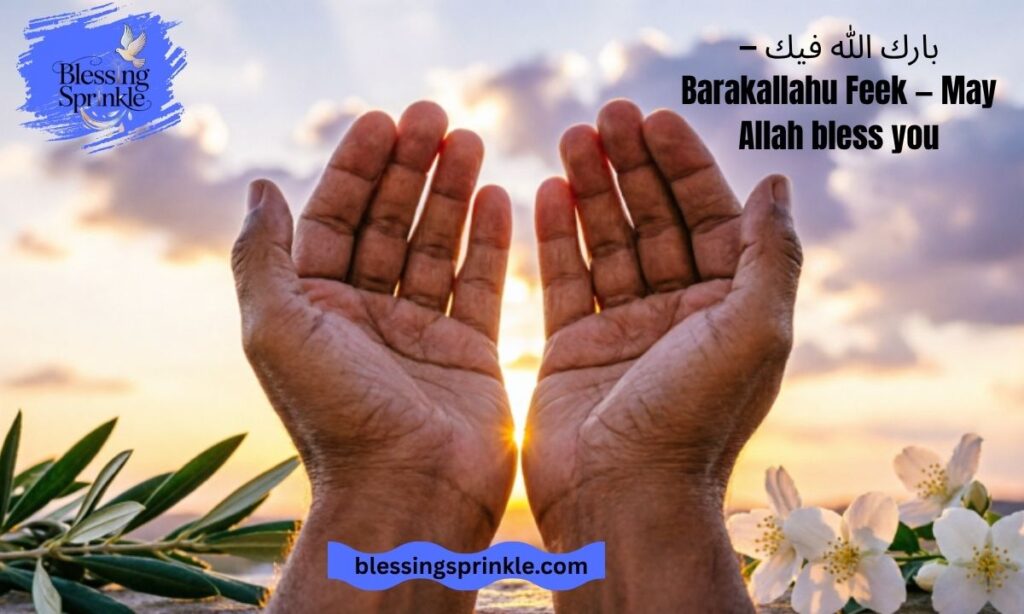
- بارك الله فيك — Barakallahu Feek — May Allah bless you (most common)
- الله يبارك فيك — Allah Yubarik Feek — used to express good wishes and is common in both prayers and everyday conversations
- يرحمك الله — Yarhamuk Allah — means “May God have mercy on you” and is customary to say after someone sneezes
- جزاك الله خيراً — Jazakallahu Khairan — means “May Allah reward you with goodness” — commonly used when thanking someone sincerely
- الله يكرمك — Allah Yukrimuk — means “May God bless you or reward you” — used to acknowledge someone’s good deeds or kind qualities
May Allah Bless You in Islam
- In Islam, a blessing is a genuine dua — a heartfelt supplication made to Allah on behalf of someone else
- When you sincerely say Barakallahu Feek, angels respond by saying “Ameen” and the same blessing returns to you
- Blessing others is not just culture — it is a spiritual act that earns reward from Allah
- The Prophet Muhammad (peace be upon him) encouraged Muslims to make dua for others regularly
- This simple habit carries huge spiritual rewards — it brings harmony to relationships and spreads positive feelings
How to Say “God Bless You” in Arabic the Right Way
- The most common way to say “God bless you” in Arabic is بارك الله فيك — Barak Allahu Feek
- For a male say Barakallahu Feek — for a female say Barakallahu Feeki
- For a group the phrase becomes بارك الله فيكم — Barak Allahu Fikum
- Always say it with sincerity — in Arabic culture words spoken from the heart carry the most power
- Practice the pronunciation slowly — Ba-rak-Al-la-hu-Feek — and say it naturally in conversation
Expressing Gratitude and Well-Wishes in Arabic
- Arabic has many beautiful ways to thank someone and wish them well at the same time
- Shukran means “thank you” — but pairing it with Barakallahu Feek makes gratitude feel much deeper
- الله يكرمك — Allah Yukrimuk — is used to acknowledge someone’s good deeds and show real appreciation
- These phrases turn a simple “thank you” into a prayer — asking Allah to reward the person who helped you
- Using these expressions in daily life makes your relationships warmer, more meaningful, and more spiritually connected
May Allah Bless You Arabic
- The Arabic script for the most common blessing is: بارك الله فيك
- For female: بارك الله فيكِ
- For a group: بارك الله فيكم
- You can respond to this blessing by saying “Wa Feek Barakallah” — meaning “And may Allah bless you too” — which is polite and keeps the exchange of goodwill alive
- Writing or sharing this phrase in Arabic script adds authenticity and beauty to your message
The Deeper Meaning of “God Be With You” and “Bless You” in Arabic
- Allah Maak — الله معك — means “May Allah be with you” — a warm phrase of comfort and companionship
- Fi Amanullah — في امان الله — means “May Allah’s protection be with you” — often said when someone is leaving or traveling
- Allah Yahfazak — الله يحفظك — means “May Allah protect you” — a phrase full of care and spiritual protection
- These phrases go beyond just blessing — they ask Allah to stay close to a person through every moment of their day
- They are deeply comforting words that remind the listener they are never alone
May Allah Bless You Too in Arabic
- The most natural reply to a blessing in Arabic is “Wa Feek Barakallah” — وفيك بارك الله
- It means “And may Allah bless you too” — a gracious and faith-filled response
- You can also say “Wa Iyyak” — وإياك — which means “And you as well”
- This reply is polite and keeps the exchange of goodwill alive between both people
- Responding with a blessing shows good manners and reflects the Islamic value of returning kindness with kindness
When and How to Use “May Allah Bless You” in Conversations
- Say it in appreciation — when someone gives you a gift or does something kind for you
- Use it during celebrations — weddings, graduations, or when congratulating someone on success
- Say it after someone sneezes — Yarhamuk Allah is the traditional Islamic response
- Use it when parting ways — Fi Amanullah sends someone off with Allah’s protection
- You can also use it without any specific occasion — simply to wish blessings on someone’s family, life, or success
The Spiritual Rewards of Blessing Others in Islam
- Making dua for others is one of the most noble acts a Muslim can perform
- Each time you sincerely say Barakallahu Feek you are not only showing good manners but also earning reward from Allah
- According to Hadith, when you pray for others without them knowing, angels say “Ameen — and may you receive the same”
- Blessing others purifies your own heart and keeps you focused on the good in people
- It is one of the easiest and most rewarding acts of worship a Muslim can practice every single day
Happy Birthday May Allah Bless You in Arabic
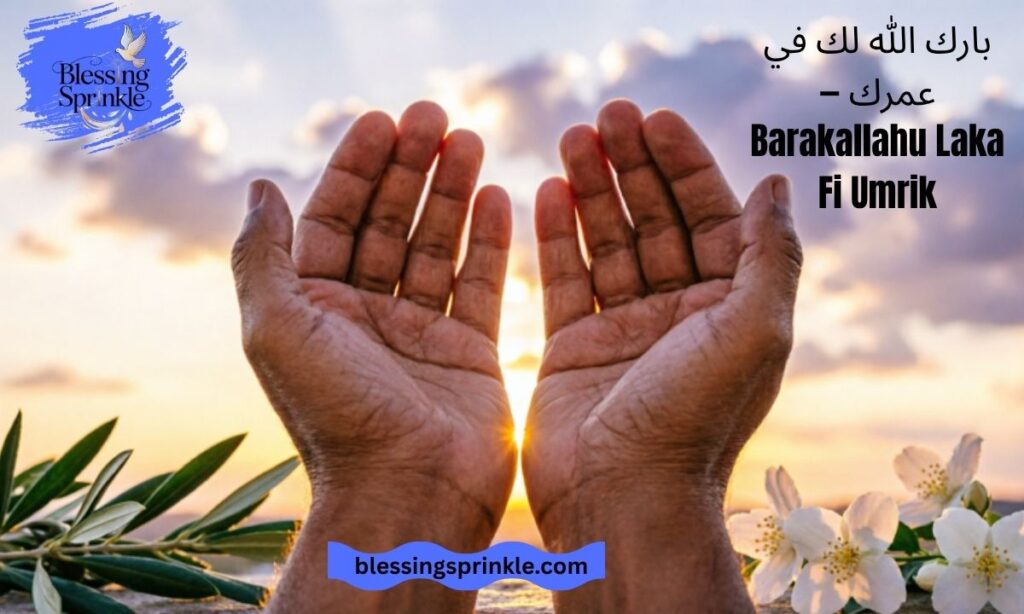
- A beautiful birthday blessing in Arabic is: بارك الله لك في عمرك — Barakallahu Laka Fi Umrik
- It means “May Allah bless you in your age and life” — a deeply meaningful birthday wish
- You can also say “كل عام وأنت بخير” — Kull Aam Wa Anta Bikhair — meaning “May you be well every year”
- For family birthday wishes you can say “بوركتم وبورك في أهلكم الكرام” — meaning “You are blessed and so are your noble family members”
- Combining a birthday greeting with a dua makes the wish personal, loving, and spiritually powerful
How Arabic Blessings Strengthen Faith and Community Bonds
- When a mother blesses her child or a friend says Barakallahu Feek after a good act it creates a circle of gratitude and peace that never stops giving
- These phrases enrich daily interactions with sincerity and warmth — they reflect deep-rooted Islamic values and traditions Offering blessings promotes positive interactions, fosters goodwill, and enhances social unity within Arabic-speaking communities
- Every time a blessing is exchanged between two people, the bond between them grows a little stronger
- In a world that can feel divided, Arabic blessings are a reminder that faith, kindness, and community always bring people closer together
Frequently Asked Questions
1. What is the most common way to say “May Allah bless you” in Arabic?
The most common phrase is Barakallahu Feek — بارك الله فيك. It is used daily in Arabic-speaking communities around the world.
2. Is there a different phrase for males and females?
Yes. For a male say Barakallahu Feek and for a female say Barakallahu Feeki. The small change in ending makes it grammatically correct in Arabic.
3. How do you reply when someone says “May Allah bless you”?
You can reply with Wa Feek Barakallah — meaning “And may Allah bless you too.” It is a warm and polite response that keeps the goodwill going.
4. Is saying “May Allah bless you” just a cultural habit?
No, it is much more than that. In Islam it is a genuine dua — a sincere prayer made to Allah on behalf of another person.
5. Can non-Muslims use Arabic blessings?
Yes. The word “Allah” simply means “God” in Arabic and is used by both Christians and Muslims in Arabic-speaking countries.These phrases reflect universal values of kindness and goodwill.
6. What do you say after someone sneezes in Arabic?
You say Yarhamuk Allah — يرحمك الله. It means “May Allah have mercy on you” and is the traditional Islamic response to a sneeze.
7. Does blessing others in Islam bring spiritual reward?
Yes, absolutely. When you sincerely pray for others Allah rewards you for it. Angels even say “Ameen — and may you receive the same blessing too.”
Conclusion
Saying “May Allah bless you” in Arabic is one of the most beautiful and meaningful gifts you can offer another person. These words carry real faith, genuine love, and a sincere prayer all in one short phrase. They cost nothing but mean everything to the person who receives them.
Making Arabic blessings a daily habit can transform your relationships and bring more peace into your life. Whether you say it to a friend, a family member, or even a stranger — every blessing you give comes back to you. For more beautiful Islamic phrases and their meanings, visitIslamicFinder.org — a trusted resource for Islamic knowledge and daily duas.

I am a dedicated writer focused on sharing the transformative power of blessings and prayers. With over 5 years of experience, my goal is to provide meaningful prayers and spiritual insights that guide individuals through life’s challenges and moments of joy

1 thought on “May Allah Bless You in Arabic: True Meaning Revealed”